





A Guide to Binder Sizes and Ring Capacities
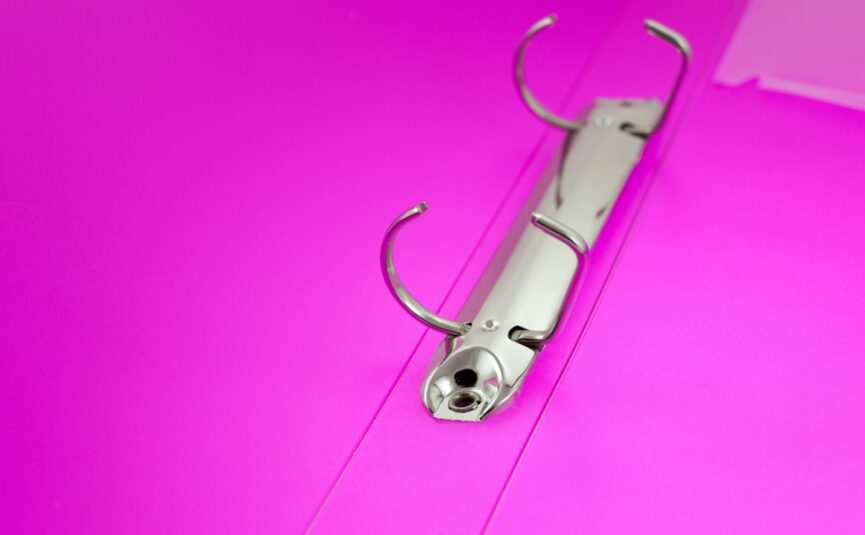
Organising documents efficiently is essential for businesses, schools, and organisations managing structured information. Whether you’re working with training manuals, designer and specifier swatches, or operational documentation, choosing the right binder size is critical to keeping content protected, accessible and professional.
Binder size isn’t just about the outer dimensions, it’s primarily about the ring diameter, which determines how many pages the binder can hold. Selecting the correct size helps prevent overfilling, protects your documents, and ensures a clean, professional presentation.
If you’re looking for durable, high-quality options, explore Corex’s range of Promeg® ring binders and dividers to support your document organisation needs.


What Do Binder Sizes Refer To?
When people refer to binder sizes, they’re usually talking about the diameter of the rings inside the binder, not the physical size of the cover.
The ring diameter directly impacts how much paper the binder can store. Larger rings allow for more pages, while smaller rings are better suited for compact or frequently handled documents.
It’s important to understand that:
- Binder covers are typically sized to fit standard paper (like A4 and A5)
- Ring size determines content (generally paper) capacity, not paper size
- Overfilling a binder can damage rings and reduce usability
Understanding this distinction helps you choose a binder that performs well over time and keeps documents organised.
Common Plastic Ring Binder Sizes
Promeg® ring binders are widely used across offices, education, and industrial environments due to their wettability, durability and flexibility.
The most common sized ring binders are oversize A4 with a 20mm or 25mm 2 ‘D’ ring metal.
What’s the difference between a ‘D’ and an ‘O’ ring?
‘D’ and ‘O’ refers to the shape of the ring.
The ‘D’ ring creates a straight edge (the straight line in the D), so the paper contents sit flat in a neat stack, is easy to flick through the pages, and easy to open the rings and take out contents.
‘D’ ring metals are usually riveted on the back cover creating a clean spine of the ring binder for branding and other key messaging.
‘D’ is by far the most common ring shape for these reasons.
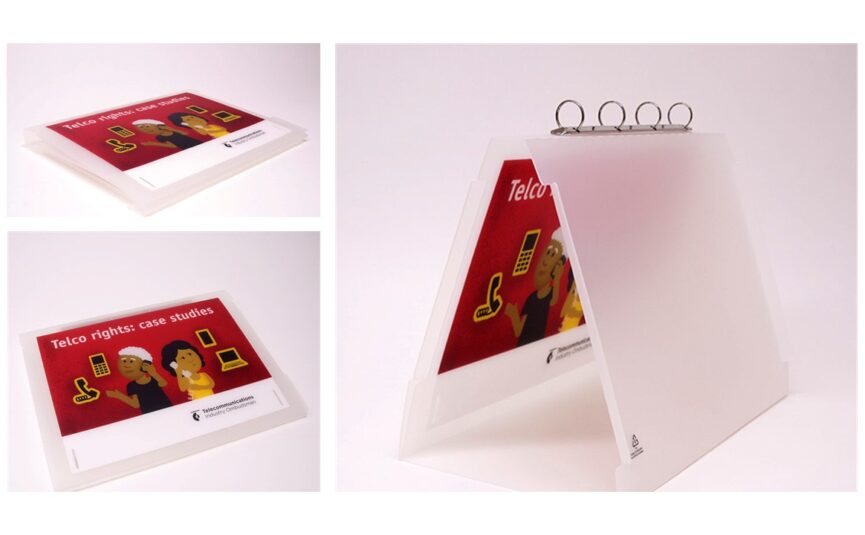
‘O’ rings are sometimes chosen when the ring binder is holding a very small capacity of contents (paper) and does not require constant opening and closing. It is usually positioned on the binder’s spine and therefore can be a good solution for binders that also need to be used like easel binders for presentation purposes.
Below is a simple guide to common ring sizes and their typical uses.
| Ring Diameter | Approx. Capacity* | Best For |
| 16mm | ~60 sheets | Light documents, short reports |
| 20mm | ~80 sheets | General office use, presentations |
| 25mm | ~100 sheets | Training manuals with dividers |
| 50mm | ~200 sheets | Large documents, policies |
| 65mm | Variable | Swatches, samples, bulky materials |
*Capacity is based on standard 80gsm paper and can vary. It’s important to understand what contents are going in the ring binder when choosing the ring metal size.
Once you know your required capacity, explore our custom A4 and A5 Ring Binders to build a durable solution for your brand. https://corex.com.au/product/ring-binders-dividers/
These sizes are commonly used in:
- Offices for operational documents
- Schools and universities for coursework
- Industrial environments for manuals and compliance documents
- Architectural, designers’ and specifiers’ swatches
Choosing the right size ensures your binder remains easy to use without putting stress on the rings or pages.
How to Measure Binder Ring Size
If you’re unsure how to measure binder ring size, the process is simple and only takes a few steps.
Here’s how to do it:
- Open the binder rings fully
- Measure across the inside of the ring (from one inner edge to the other)
- Record the diameter in millimetres
This measurement gives you the true ring size, not the outside or diagonal measurement.
It’s important to measure the inside diameter, as this is what determines how much paper the binder can hold.
How Binder Ring Size Affects Paper Capacity
Binder capacity is directly linked to ring diameter, but there are a few additional factors that influence how many pages you can actually fit.
Key factors include:
- Paper thickness (e.g. 80gsm vs heavier or bulkier stock/items)
- Use of sheet protectors
- Dividers and tabs
- Frequency of access (documents need room to turn easily)
For example:
- A 25mm ring might hold 100 sheets of standard paper
- But with dividers and plastic sleeves, capacity may reduce to 80 sheets
Overfilling a binder can lead to:
- Bent or damaged rings
- Torn pages
- Difficulty turning pages
For best results, allow some space within the binder so documents can move freely.
Different Applications of Ring Binders
Ring binders are used across a wide range of industries because they offer a simple, scalable solution for organising physical documents.
Common applications include:
- Education
- Student workbooks
- Curriculum materials
- Training guides
- Corporate and Office Environments
- Policies and procedures
- HR documentation
- Client presentations
- Manufacturing, Architectural and Design
- Safety manuals
- Compliance documentation
- Equipment instructions
- Design swatch books
- Healthcare and Community Services
- Patient records
- Training resources
- Program documentation
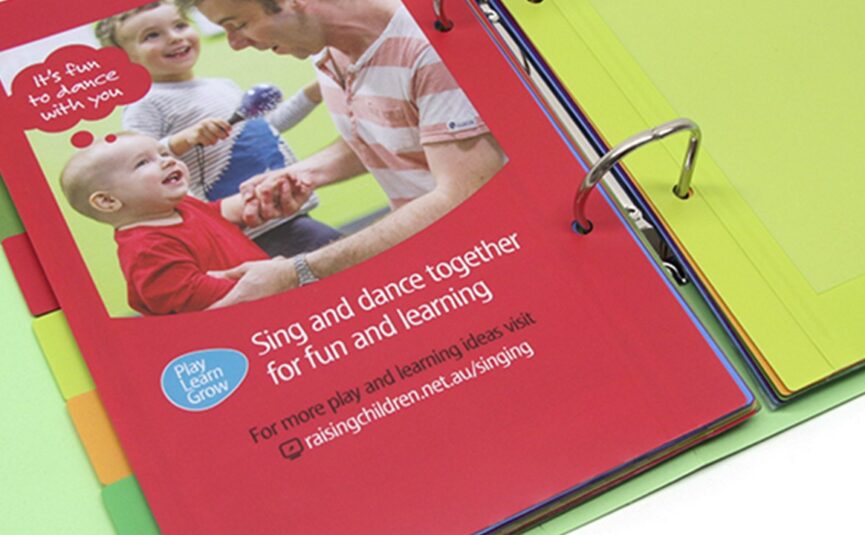
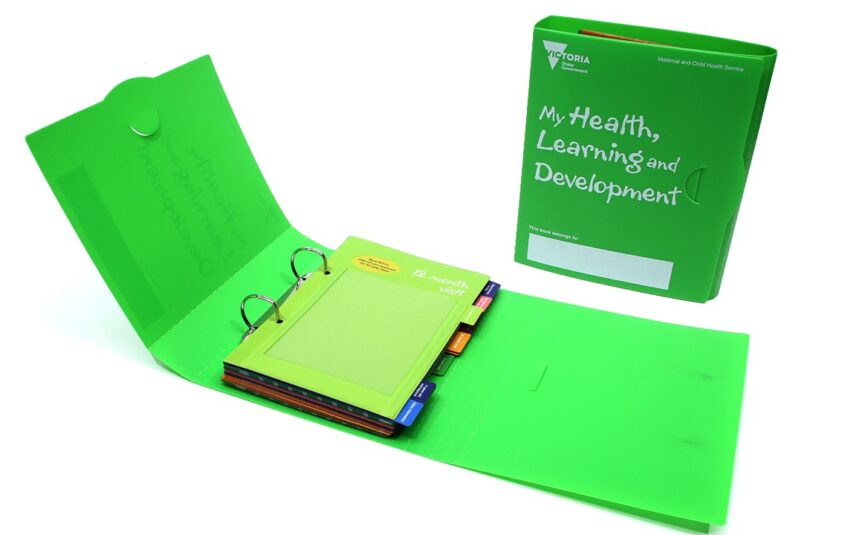
For example, structured binder systems are often used in child learning and development programs to organise resources, track progress, and maintain consistency across teams.
In many industries, the challenge is managing large volumes of information while keeping it accessible and up to date. Ring binders provide a practical solution by allowing easy updates, replacements, and organisation.
Choosing the Right Binder Size for Your Documents
Selecting the right binder size comes down to understanding your document needs and how they will be used.
Consider the following:
- Document Volume
- Small sets → 16mm–20mm
- Medium documents → 25mm-40mm
- Large manuals → 65mm
- Frequency of Use
- Frequently accessed documents need extra space for easy page turning
- Archive materials can be more tightly packed
- Durability Requirements
- Industrial or high-use environments benefit from strong plastic binders
- Lightweight use may suit smaller, more flexible options
- Future Growth
- Allow room for additional pages if documents will expand over time
For most business and presentation applications, 20mm and 25mm D-ring binders are the most practical and widely used, offering the best balance between capacity and usability.
Promeg® ring binders are a practical and durable solution for businesses that require reliable document organisation. They offer flexibility, longevity, and ease of use across a wide range of applications.
If you’re looking to streamline your document systems, explore Corex’s range of ring binders and dividers to find the right fit for your organisation.
At Corex, we design durable, Australian-made binder solutions that support efficient document management across a wide range of industries. By selecting the right binder size, you can improve organisation, extend product life, and create a more professional presentation of your materials.
Whether you’re managing a small set of documents or large operational manuals, the right binder size will improve efficiency, presentation, and long-term usability.
Sign up for industry innovations, special offers and useful information.
"(Required)" indicates required fields