





Which Cor-Vent® Roof Ventilation Strip Do I Need?
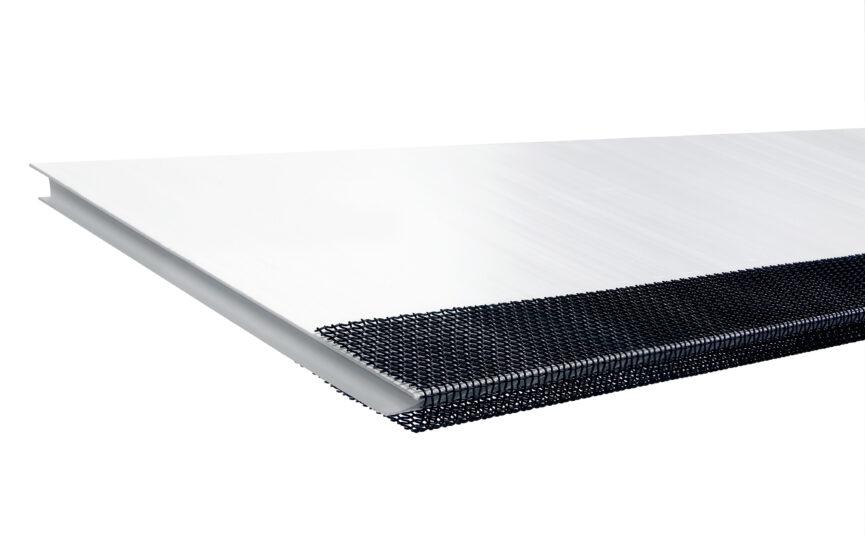
Choosing roof ventilation can feel complicated. Roof pitch, roof type, bushfire requirements and ventilation position all influence which solution is right for your project.
Cor-Vent® has been engineered to simplify passive roof ventilation across a wide range of roofing applications, helping improve airflow while reducing the risk of moisture build-up and condensation within roof spaces. Cor-Vent® complies with NCC 2022 ABCB Housing Provisions and includes solutions for standard roof pitches, low roof pitches and BAL-rated applications.
This guide explains the Cor-Vent® range and when each product is best suited so builders, roofers and specifiers can confidently choose the right ventilation strip for their roof build.

Step 1. Roof Pitch Comes First
The first step is understanding your roof pitch.
Standard Roof Pitch (15°–75°)
Suitable for:
- Steel roofing
- Tile roofing
- Residential and commercial roof applications
Cor-Vent® 8K products are designed primarily for these roof builds.
Low Roof Pitch (0°–15°)
Suitable for:
- Low-pitch steel roofing
- Roof-to-wall interfaces
- Modern low-slope roof designs
Cor-Vent® 25K products are specifically developed for low-pitch ventilation requirements.
Standard Roof Pitch Products (15°–75°)
Cor-Vent® 8K 200
Choose this when:
- You need low-level ventilation
- You are building a standard residential steel roof
- A 200mm width suits your roof detail
Cor-Vent® 8K 200 creates passive airflow at the eaves to help reduce moisture and condensation while maintaining a clean roofline appearance. Ideal for standard steel roof applications.
Cor-Vent® 8K 250
Choose this when:
- You need low-level ventilation
- Your build benefits from increased coverage
- You are working with tile roofing or larger roof designs
The wider 250mm profile provides greater installation flexibility and is particularly suited to tile roofing applications.
BAL-Rated Roof Ventilation Options
Cor-Vent® 8K BAL 200
Choose this when:
- Your project is in a bushfire-prone area
- BAL compliance is required
- You need low-level ventilation for a standard residential roof
Featuring ember protection mesh compliant with AS3959, this product helps deliver airflow while supporting BAL-rated roof designs.
Cor-Vent® 8K BAL 250
Choose this when:
- Bushfire protection is required
- Increased ventilation coverage is preferred
- Tile roofing or larger roof builds are involved
The wider BAL-rated solution combines ember protection with increased coverage and installation flexibility.
Cor-Vent® 5K 100 (High Level)
Choose this when:
- Ventilation is required at ridge level
- Ventilation is needed at apex roof sections
- Parapet wall ventilation is required
Cor-Vent® 5K allows warm, moisture-laden air to escape at high level and is designed to work alongside low-level Cor-Vent® intake ventilation systems. Applicable across both standard roof pitch and low roof pitch steel roofing applications.
Cor-Vent® 5K Ridge (High Level)
Choose this when:
- Ventilation is required directly along a ridge line
- You are building a hipped roof system
- You want a complete passive airflow pathway
Designed to release warm air and moisture at the highest point of the roof, Cor-Vent® Ridge complements low-level ventilation products to complete the ventilation system.
Low Roof Pitch Products (0°–15°)
Cor-Vent® 25K 50
Choose this when:
- You need low-level ventilation
- Your roof design requires a compact solution
- Steel roofing applications have tighter detailing requirements
The 50mm profile provides passive airflow while supporting low-pitch roof ventilation requirements.
Cor-Vent® 25K 100
Choose this when:
- Greater ventilation coverage is required
- Larger low-pitch roof designs are involved
- Installation flexibility is preferred
The wider 100mm profile increases airflow coverage while maintaining passive ventilation performance.
Cor-Vent® 25K BAL 50
Choose this when:
- Bushfire protection is required
- Roof pitch is between 0°–15°
- Compact low-level ventilation detailing is needed
Designed specifically for BAL-rated low-pitch roofing applications.
Cor-Vent® 25K BAL 100
Choose this when:
- Bushfire compliance is required
- Larger low-pitch roof builds require greater airflow capacity
Combines BAL protection with higher ventilation capacity for demanding low-pitch applications.
Cor-Vent® Packer
Choose this when:
- Additional spacing or installation support is required
- Maintaining airflow clearances is critical
- Roof detailing requires consistent installation gaps
Designed to support accurate installation and consistent ventilation pathways.
Still Not Sure?
Start with three simple questions:
✓ What roof pitch am I building?
✓ Do I need low-level or high-level ventilation?
✓ Does my project require BAL-rated protection?
Once those decisions are made, choosing the right Cor-Vent® strip becomes straightforward.
How many Cor-Vent® Strips do I need?
We have also created some simple steps to make calculating roof ventilation product requirements simple; less NCC maths, more “measure → divide → order”.
Need help selecting the right solution? Talk to our Cor-Vent® specialists for additional information building@corex.com.au
Installation & more support
Cor-Vent® product installations do not require any special tools, training, or major changes to the roof build. Cor-Vent® Installation Guides are included in the Product Information Download Forms on this page.
Certification
Cor-Vent® meets the DTS airflow opening requirements per NC2022, including BAL Zones.
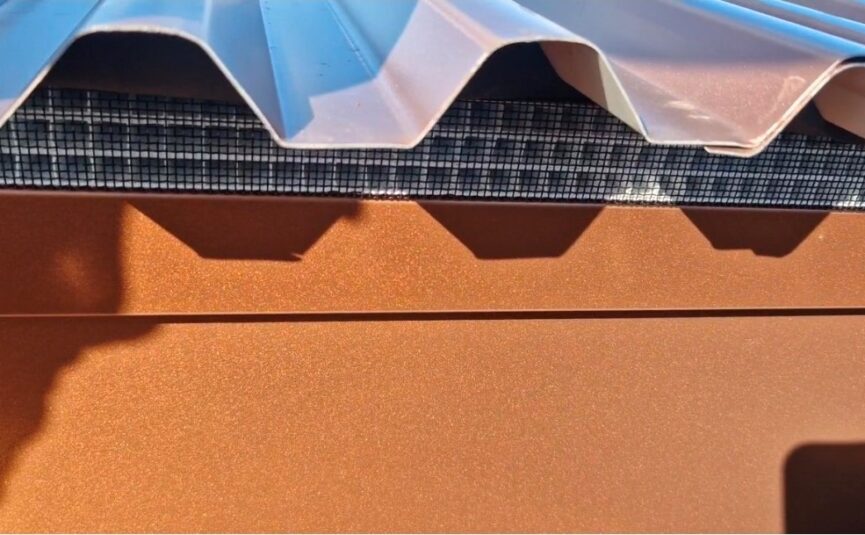
Sign up for industry innovations, special offers and useful information.
"(Required)" indicates required fields