


What Plastic Sheet Thickness Is Right for Your Application?
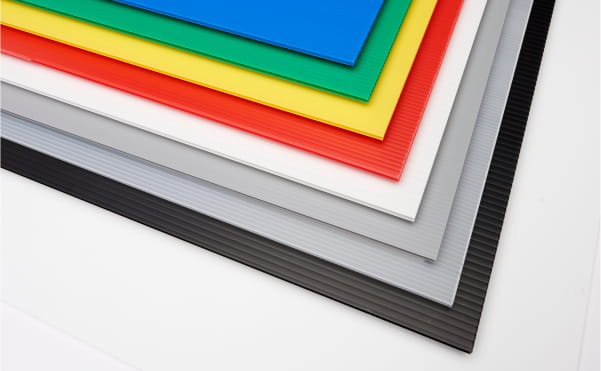
Choosing the right thickness for plastic sheeting depends on much more than simply selecting the thickest option available. Material type, load, rigidity, impact and fabrication requirements all affect the decision.
A thicker plastic sheet generally provides greater stiffness and resistance to bending, but added thickness also increases weight, material use and potentially fabrication complexity. The best choice is the thickness that provides the required performance without unnecessary material.
Key Takeaways
- Thicker plastic is not automatically better for every application.
- Material type affects how a given thickness performs.
- Load, span and required rigidity are important considerations.
- Impact, handling and operating conditions should also influence sheet selection.
- Fabrication processes can limit or favour certain thicknesses.
- Prototyping can help confirm the right material and thickness before production.


Start With the Plastic Material
The same thickness can perform differently depending on the polymer being used.
For example, PROMEG® polypropylene sheets and HDPE sheets have different combinations of stiffness, flexibility, density and impact resistance.
Fluted polypropylene products such as Corflute® also behave differently from solid sheet because their twin-wall structure provides rigidity without requiring the same amount of solid material.
This means thickness should never be assessed independently of material construction and properties.
Consider Load, Span and Rigidity
One of the first questions is what the sheet needs to support.
A sheet spanning a wider distance may require more rigidity than one fully supported underneath. Likewise, a reusable container carrying heavier components will have different requirements from a lightweight display or protective liner.
Important considerations include:
- Weight placed on the sheet
- Distance between supports
- Whether the product needs to remain flat
- Whether bending is acceptable
- How frequently the product will be handled
- Whether the load is static or repeatedly applied
Increasing thickness can improve stiffness, but changing the material or product design may sometimes be more efficient.
Think About Impact and Handling
Plastic products often need to withstand more than static weight.
Warehouse containers, packaging, protective sheets and industrial components may be dropped, knocked, stacked or repeatedly moved. In these cases, impact resistance and toughness can be just as important as rigidity.
A thicker sheet may provide greater durability, but material choice also matters. A comparatively flexible polymer may absorb impact differently from a more rigid material of the same thickness.
For reusable products, expected handling throughout the product’s lifecycle should therefore be considered before specifying the sheet.
Factor In the Fabrication Process
Plastic sheet thickness can influence how easily the material can be cut, folded, welded, formed or printed.
Thinner sheet may be easier to fold or crease for certain packaging and display applications, while thicker sheet may be required for components that need greater rigidity or structural stability.
The planned fabrication process should be considered early rather than after the sheet specification has been finalised.
Corex’s design and engineering team can assess sheet selection alongside product geometry, fabrication requirements and intended use.
Consider the Operating Environment
The environment in which the finished product will be used can also influence thickness.
Factors may include:
- Indoor or outdoor use
- Heat exposure
- Moisture
- Chemicals
- Repeated cleaning
- Abrasion
- Storage conditions
- Transport and handling
For example, a sheet used as temporary protection may have very different requirements from a permanent industrial component, even when the overall dimensions are similar.
Material properties, thickness and environmental exposure should therefore be evaluated together.
When Should You Prototype Before Choosing a Thickness?
For simple applications, established material specifications may make sheet selection relatively straightforward.
Custom products can require more testing. A prototype allows manufacturers and designers to assess whether a proposed thickness provides adequate stiffness, strength, fit and handling characteristics before committing to larger production volumes.
Corex’s prototyping services can assist with evaluating product concepts and identifying potential design or material issues before production.
This can be particularly valuable when reducing material use, changing polymers or developing a reusable product.
Choose Thickness Around the Application
The right plastic sheet thickness is the one that delivers the required performance for the actual operating conditions.
Rather than starting with a particular millimetre measurement, first establish the material, expected load, desired rigidity, impact exposure, fabrication process and service environment. Thickness can then be selected around those requirements.
Contact Corex to discuss plastic sheet materials, thickness options and custom requirements for your application.
Sign up for industry innovations, special offers and useful information.
"(Required)" indicates required fields